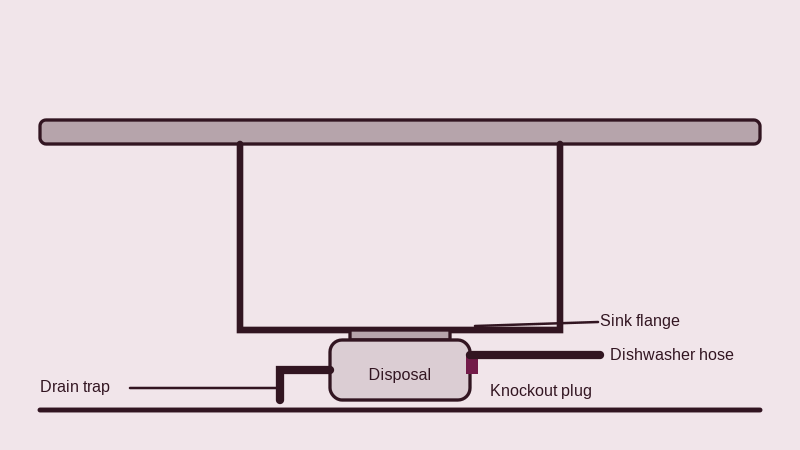
A garbage disposal sits under the sink where three systems meet: the sink drain, the electrical supply and, in many kitchens, the dishwasher drain hose. That is why a swap that looks like twenty minutes of work can turn into an afternoon. It sits within the faucets, sinks, showers and disposals section for Thousand Oaks and Conejo Valley homes, and it treats installation and removal together, since most visits involve both.
We pass your request on to a local plumbing business, and the plumber from that business does the physical work. What follows is what the visit should include.
What is covered by a garbage disposal installation visit?
A visit covers taking out the existing unit, if any, fitting the new mounting assembly beneath the sink flange, hanging the disposal, connecting the drain trap, attaching the dishwasher drain where present, wiring or plugging in the power, and running water to test for leaks and noise. The plumber also checks the sink drain.
Details vary with the kitchen. When adding a disposal where none existed, the plumber may need to adapt the drain, add a power outlet or switch, and possibly fit a new sink flange. Ask how the power will be connected and whether electrical work is required. Some kitchens use an air switch on the counter instead of a wall switch, which our page on air switch installation explains.
When is a plumbing business worth calling?
Call one if the sink drain is corroded or leaking, if you are adding a disposal where none existed, if new wiring or a switch is needed, if the dishwasher connection is unclear, or if you would rather not risk a leak in the cabinet.
Send your details through the quote form; we pass them to a local plumbing business. Say whether you are replacing or adding, the sink type, whether a dishwasher connects, and whether the unit is already bought. Ask if the quote covers hauling off the old unit, a new mounting kit and leak testing. The real price is set by the plumber in writing.
What goes wrong with disposal installation?
The common mistakes are leaving the dishwasher knockout plug in place, over-tightening the mounting ring, crossing threads on the drain connection, and skipping the leak test. Another is fitting the unit before the sink drain is fully clear, which leads to backups. Each shows up quickly if you test carefully.
A disposal that hums but does not turn is jammed, and an unplugged or tripped circuit shows as no response at all. Dishwasher water rising into the sink calls for a look at the knockout plug and the drain hose loop. A sink that drains slowly after installation may have a clog farther down the line, so read the guide to unclogging a kitchen sink. A new disposal is not a way to clear a blocked drain, and grease, fibrous food and bones still cause trouble.
What should I do next?
Look under the sink, note whether a dishwasher connects, check the power arrangement, and decide on the unit and switch. Take photos of the current setup. If you are replacing a faulty unit, check whether a repair would do, since a jam or a reset is often fixable without a new one.
Plumber for garbage disposal repair explains when repair makes sense. Collect the model number of any old unit, and measure the cabinet. If a slow drain is why you are swapping the unit, check the cost of unclogging a sink with a plumber before buying a new one.
How is a garbage disposal removed and a new one installed?
The plumber switches off power at the breaker, disconnects the drain pipe and dishwasher hose, releases the disposal from its mounting ring, lifts it out, then fits the new mounting and unit, reconnects the drain, hose and power, and tests it. The mounting parts are often replaced with the new unit.
Every disposal mounts on a flange fitted to the sink drain opening, held by a clamp ring. Many replacements reuse the sink flange if it is sound and use the new unit's mounting kit. When the old flange leaks or corrodes, the plumber swaps it and reseals with putty or a gasket as needed. A dishwasher knockout plug inside the new unit must be removed if the dishwasher drains through it, and forgetting this step is a classic mistake that leaves the dishwasher unable to drain.
What should I decide before the plumber arrives?
Decide the size and type of disposal, how it will be switched, and whether a dishwasher connects to it. A larger motor generally handles tougher scraps, while a continuous-feed model starts with a switch and is the common household type. Check the cabinet space and the sink opening.
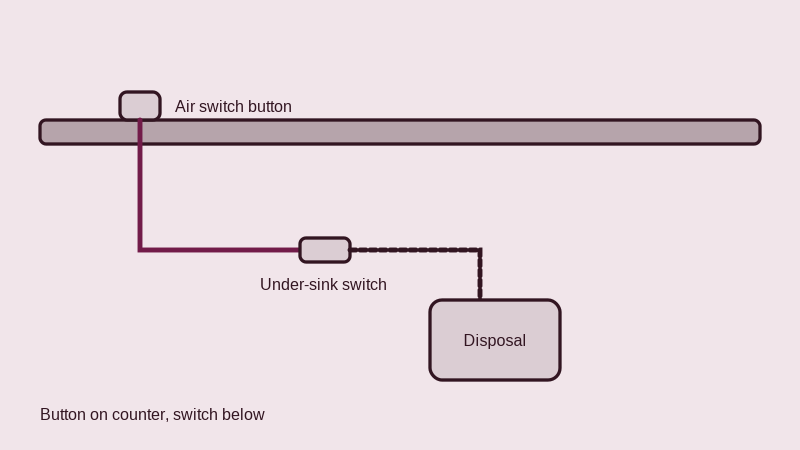
Look under the sink to see what is there now. Clear the cabinet, and have the new unit on hand if you bought it yourself, though ask the plumber first, since some businesses prefer to supply it. If you plan to change the sink, the faucets or other kitchen fixtures at the same time, tell the plumber, because that changes the order of work. The faucet replacement cost page shows what affects that price.
Can I install a garbage disposal myself?
Many handy owners do. The job needs basic tools, care with the electrical connection and attention to leaks, but no special skills. It is not a good first project if the wiring is unclear, the sink drain is corroded, or the cabinet is cramped. Switch off the breaker, and test that the circuit is dead before touching wires.
If the unit plugs in, the electrical side is simple. If it is hardwired, treat the wiring with care or let a qualified person do it. Check with the City of Thousand Oaks Building and Safety office if new wiring is needed, since added circuits can need a permit. Loose slip nuts cause the most common DIY failure, a water leak, so tighten each joint, then let water flow and watch for drips over several minutes. If a leak appears at the flange, it needs resealing.
Common questions
How long does a disposal installation usually take?
A simple swap with identical connections typically takes one to two hours. A first-time installation, new wiring, a damaged sink flange or drain changes can stretch that. The plumber gives an estimate once the cabinet has been seen, and the visit closes with a leak test.
What should I ask before booking a disposal installation?
Check whether the quote covers the unit or only labor, the mounting kit, removal of the old disposal, the dishwasher connection and any electrical work. Ask about the warranty on the unit and the workmanship. Get the price in writing and check which business does the work.
Does someone need to be at home for the installation?
Yes, someone should be home to open up the kitchen and cabinet, approve extra work and test the disposal at the end. If you cannot attend, name a trusted adult in your request, and make sure that person can approve changes on your behalf.
How long does a garbage disposal last?
It varies with use and care, but disposals are wear items and eventually fail by jamming, leaking or burning out the motor. Running cold water, avoiding grease and fibrous scraps, and not forcing hard items help. When a unit is old and leaking at the body, replacement is better than repair.
Is it possible to add a disposal to a sink without one?
Usually yes, provided the sink has a standard drain opening and there is room and power. The plumber may need to adapt the drain and add an outlet or switch. Septic homes need extra thought, so mention that, and check with the plumber before buying a unit.