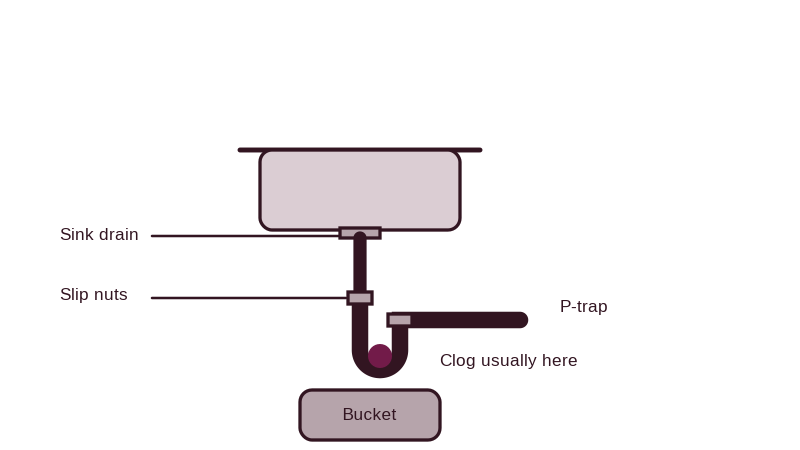
A kitchen drain clogs because cooking fat cools in the pipe, catches food scraps and builds a plug. The plug usually sits in the trap under the sink or in the horizontal line just behind it, which is why basic tools reach it. The methods come in order here, followed by a section on when the trouble is bigger. Drains and toilets are covered together in our clogged toilet and drain plumber guide, and the remaining services appear on the home page.
Which method comes first for a clogged kitchen sink?
Reach for a plunger, after blocking the other side. With a double sink, plug the second drain using a damp rag, and pinch or close the line of a connected dishwasher. Fill the sink so the plunger cup is covered, pump firmly a number of times, and then lift the plunger away.
A flat-bottomed cup plunger is right for a sink, whereas the flanged kind is made for toilets. When the water drains, run hot tap water for about a minute to flush the loosened grease. If it does not drain, try again, because a stubborn clog sometimes yields on the third or fourth go. Avoid chemical drain cleaners: they can burn skin, damage old pipe and make a later plumber's job hazardous. Never mix two cleaning products, and never plunge after a chemical has gone into the sink.
How do I stop the kitchen sink clogging a second time?
Keep grease out of the drain. Before washing, clean pans with a paper towel, pour cooking fat into a jar and throw it out, put a strainer in the drain, and flush the line with hot water after greasy dishes. Treat a garbage disposal as a grinder for small scraps rather than a bin.
Disposals have limits as well. Fibrous scraps such as celery, potato peels and coffee grounds pack together. Keep cold water running while the disposal works and for a few seconds afterward. If the disposal itself is stuck or humming, see plumber for garbage disposal repair. Older cast-iron lines can roughen inside and catch debris more easily, so regular flushing matters more there.
How do I clean out the P-trap?
Put a bucket beneath the trap and undo the two slip nuts, using your hands or pliers. Lower the U-shaped bend and empty it. A gloved hand or a brush removes the sludge. After rinsing the bend, put it back with the washers seated and the nuts snug by hand. Run the water and check for drips.
Expect a mess, since the trap holds water and old food. Look over the washers while it is apart, and replace any that are flattened or cracked. If a garbage disposal sits above, take it off the sink only when you feel confident about that; otherwise just disconnect the trap and the tailpiece. Plastic traps screw together tool-free. Older metal traps may be corroded at the nuts, and forcing them can crack the pipe, so stop if they refuse to move.
When is a clog more than a kitchen sink problem?
Water rising in several fixtures, a toilet that gurgles when the sink runs, or water surfacing in a floor drain or shower all mean the blockage is further downstream, in a line other fixtures share or in the main sewer, out of a sink tool's reach. Use no more water in the house and have a plumber look at it.
Main line trouble can come from tree roots, a broken or sagging pipe, or buildup downstream. Mature yards make roots a real possibility, and local rules may protect mature trees, so a plumber should check before any digging. A home on a private septic system, as some estate properties are, should treat repeated backups as urgent. A camera run by a plumber can reveal the cause. For cost expectations, see our guide to pricing for a sink clog. To request a visit, use the quote form.
How is a hand auger used on a kitchen drain?
Once the trap is off, feed the cable of a small hand-crank auger into the open wall pipe, or down the drain opening when there is no disposal, turning the handle whenever it meets resistance. When the cable stops or snags, keep cranking until it breaks through, then withdraw it and rinse the line with hot water.
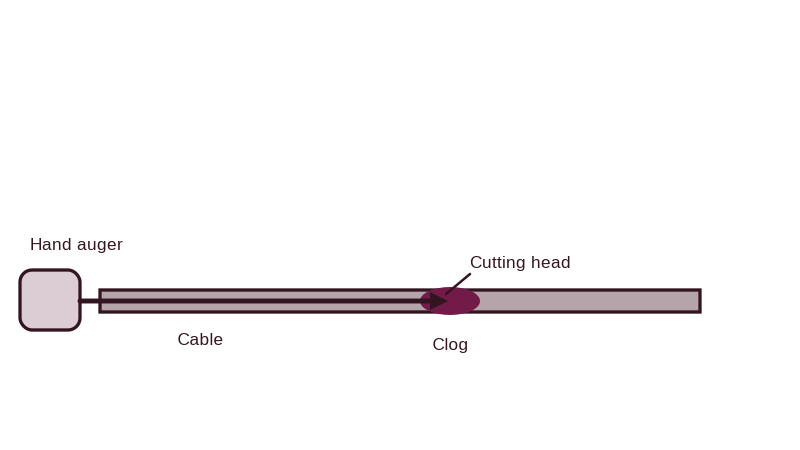
Go slowly and wipe the cable as it comes back out. A small hand auger normally suffices for a kitchen line. Suppose the cable moves freely but water still backs up. Then the clog lies further down, possibly in a shared branch line, and a plumber with a camera or a longer cable is the next step. Never force a cable that kinks. Similar methods for other rooms appear in unclogging a drain and unclogging a bathroom sink.
Will baking soda and vinegar clear a kitchen sink?
A thin film of grease and soap may give way, yet a solid clog rarely does. Put a half cup of baking soda down the drain, follow with a half cup of vinegar, cover it for a while as the product directions suggest, then rinse with hot water. With standing water in the sink, skip this and go to the trap.
The fizz loosens residue, though it works better as upkeep than as rescue. Boiling water also helps with grease, but never tip it into a sink with a PVC trap straight from a full boil, since very hot water can soften plastic pipe. Hot tap water is safer. If the sink keeps slowing after this treatment, the problem is deeper, as our page on slow-draining sinks explains.
Common questions
How long does it take to clear a kitchen sink?
Plunging or cleaning the trap is typically quick. An auger adds setup and cleanup time. Once a fair effort has failed, stop and call a plumber, since forced tools can damage old pipe. A plumber's visit counts the arrival time and usually carries a minimum charge.
What do I ask a plumber before a sink job?
Ask what the first charge covers, whether a camera inspection is extra, what happens if the clog returns, and whether a main line problem changes the price. Get the contractor license number and look it up with the state board ahead of the work.
Are chemical drain cleaners safe?
They carry risk. The chemicals can burn skin and eyes, harm some pipes and splash back when you plunge. Should one have been used already, tell the plumber, who will need protection. Mechanical methods are the safer choice for most homes.
What makes the kitchen sink block up again so quickly?
A coating of fat on the inside of the pipe keeps snagging fresh debris, so the blockage returns even after clearing. A hand auger or a plumber's jetting can scrape the pipe walls clean. Changing how you handle grease and food scraps keeps the line open for longer stretches.